
Topic
What Insurance Regulators Do and Why It Matters
State regulators license carriers, test solvency, and police sales under a 1945 statute. How the NAIC coordinates them and where the federal insurance office fits.
State regulators license carriers, test solvency, and police sales under a 1945 statute. How the NAIC coordinates them and where the federal insurance office fits.

Most small business grants fund missions, not startups. The SBA's own rules, the three-phase award process, and the eligibility screen that decides everything.

Cash, pricing and customer retention decide which firms last through a recession — and none of it requires a finance degree.

A civic tech hackathon turns open government data into weekend prototypes. Two federal records show the engine and the stall point: the demo ends, and nobody owns maintenance.
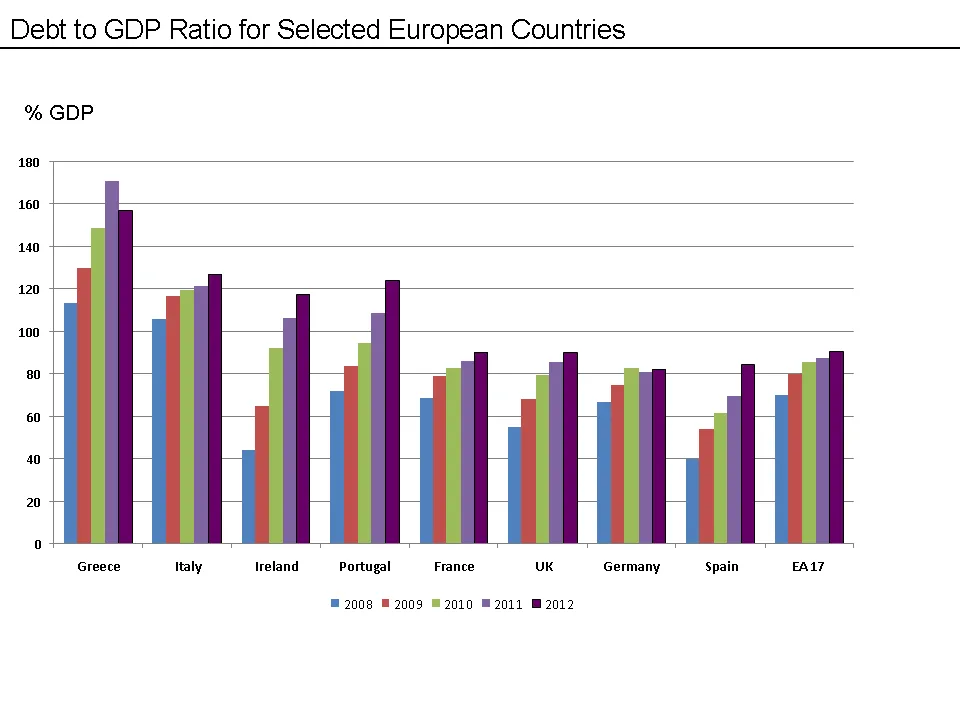
An indicator is an estimate with an error bar and a revision schedule. Coverage, confidence intervals, vintage, and seasonal adjustment decide whether a headline means anything.

Follow one everyday product from raw material to shelf, and the price checkpoints along the way become easy to spot.

Property taxes set the base, state formulas adjust it, and courts police the result. Here is how the three layers fit together.
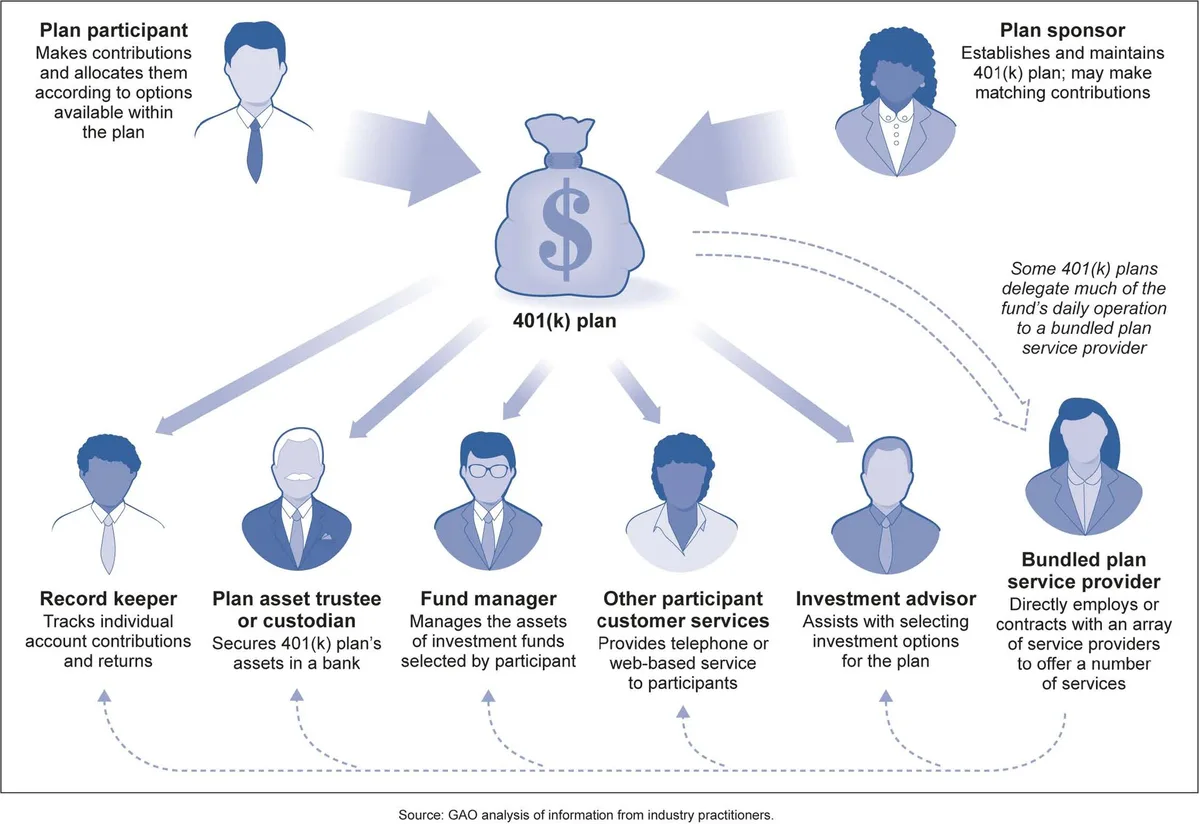
Large federal contracts carry subcontracting plans with small-business goals written into the deal. How the thresholds, plan types, and duties work under the FAR.
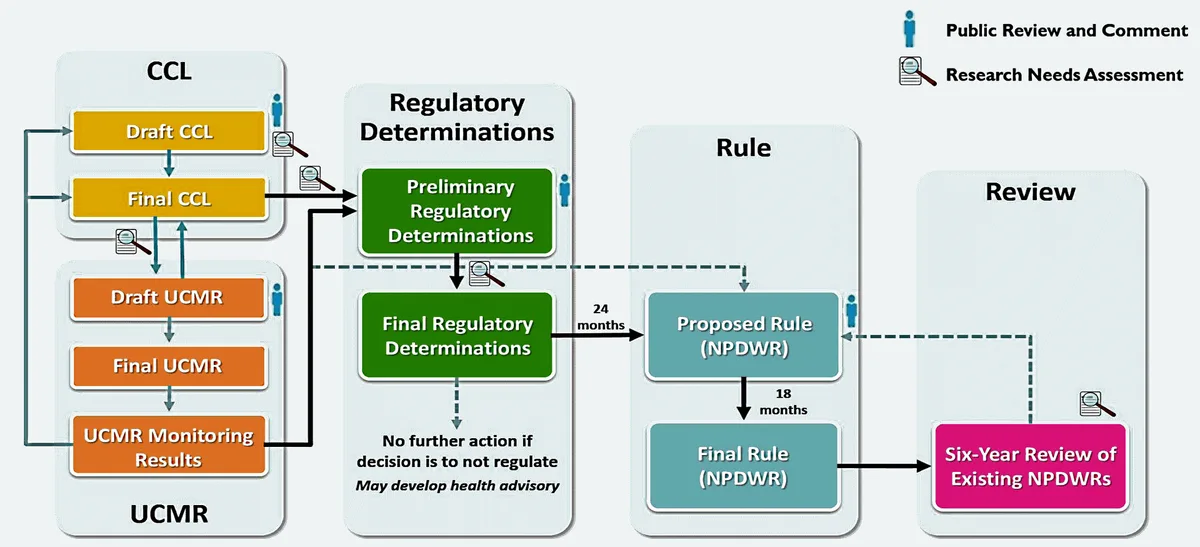
OMB Circular A-4 tells federal agencies how to weigh the costs and benefits of proposed rules. Here is what it requires and why a quiet technical memo shapes so much of American regulation.
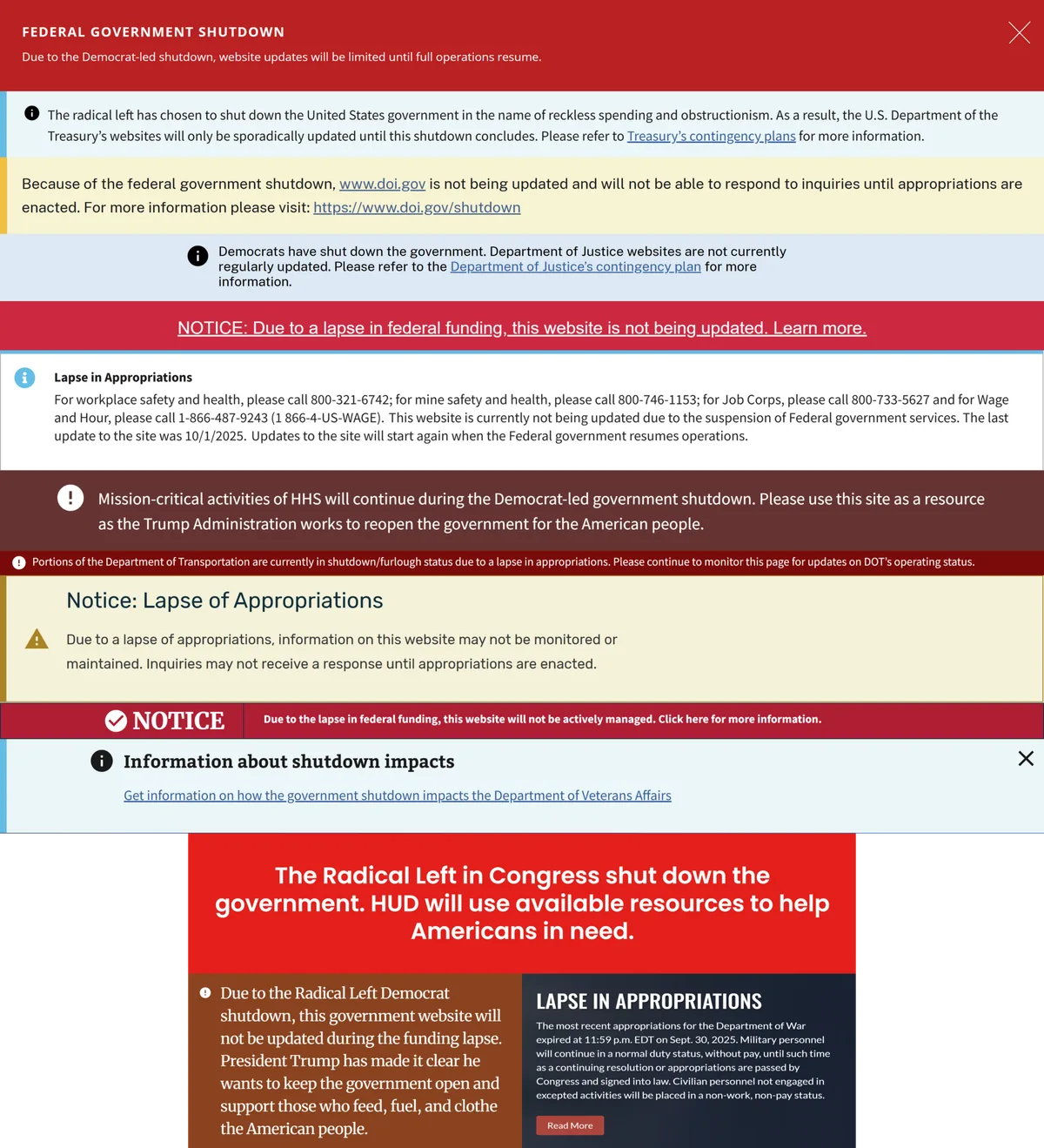
In the United States, a government shutdown, officially known as a lapse in appropriations, occurs when funding legislation required to finance the federal government is not enacted before the next fiscal year begins.